
Slovak Entrepreneurs Required to Accept Cashless Payments
24.10.2025
From 1 January 2026, all sellers in Slovakia will be required to accept cashless payments.
This provision became a key part of the draft of the new revenue accounting law, which passed its first reading in the National Council on Tuesday, 21 September. To come into force, it must pass two more technical readings in parliament and receive presidential approval.
The law aims to simplify existing rules, eliminate outdated provisions of the previous electronic cash register regulation, and reduce tax evasion.
How the new law will work
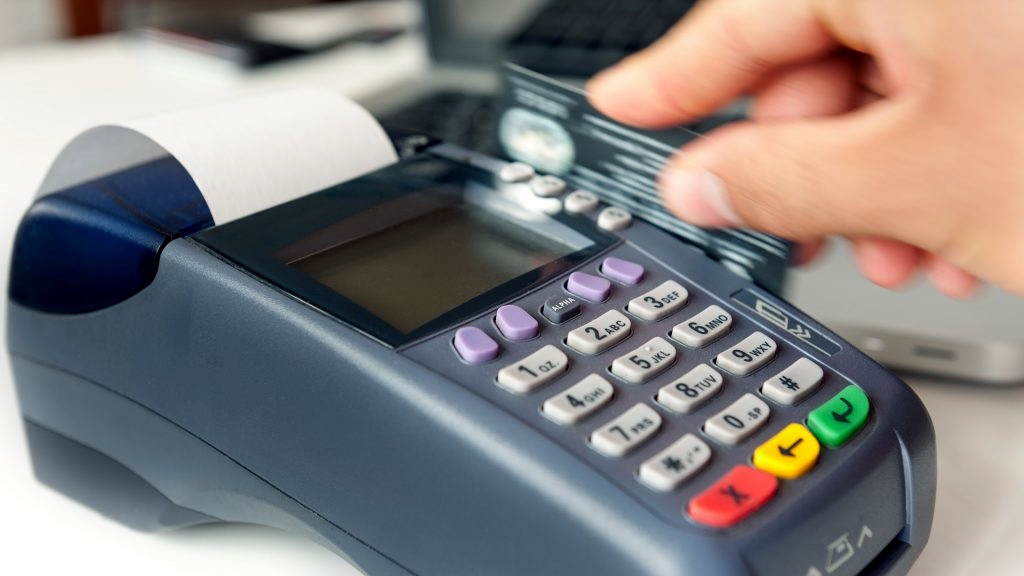
From 1 January 2026, any seller in the country will be obliged to provide the buyer with the option to pay using one of the cashless methods — for example, a payment card, online transfer, or via QR code. The specific cashless payment method will be determined by the seller.
The new rules will apply to all purchases over one euro. Exceptions will only apply in two cases – if the internet is not working at the point of sale at the time of payment, or if there is a technical failure in the financial administration system that prevents the confirmation of a cashless transaction. In these cases, the seller is entitled to accept cash.
Sellers who do not have a tax identification number (DIČ) will be provided with a special technical identifier, which will be equivalent to a DIČ and used when registering the eKasa cash register.
Technical integration
The law stipulates that the Financial Administration (Finančná správa) will provide sellers with the technical means to conduct instant payments. Information about them will be automatically recorded in the eKasa system.
At the same time, the law allows the seller to independently choose more suitable technical solutions and their providers. They will also be able to choose the type of equipment. In addition to the existing hardware online cash register (on-line registračná pokladnica) and virtual registration cash register (virtuálna registračná pokladnica), there will be an additional one – a software online registration cash register (softvérová on-line registračná pokladnica). Essentially, it can be a regular application on a mobile phone.
Unification of rules
Another important provision of the law concerns the rules for using the eKasa system, through which fiscal receipts must pass. The current legislation lists services to which the requirement to use it does not apply.
In the new law, there will be no such list. In practice, this will extend the requirement to keep records in the eKasa system to all services without exception. The aim of this measure is to equalise the rights of all service providers and eliminate the advantages of those who are currently exempt from using eKasa. The Ministry of Finance believes that the new rule will reduce the risk of incomplete declaration of turnover for services rendered.
Fines
The amount of the fine for not providing the buyer with the option of cashless payment will depend on the severity and circumstances of the violation. At the same time, the law specifies its minimum and maximum amounts – they will be 500 and 15,000 euros.